South Island house prices rise as North Island values fall




 Monday 9 November 2026 · 5 outlets · 4 reports · updated
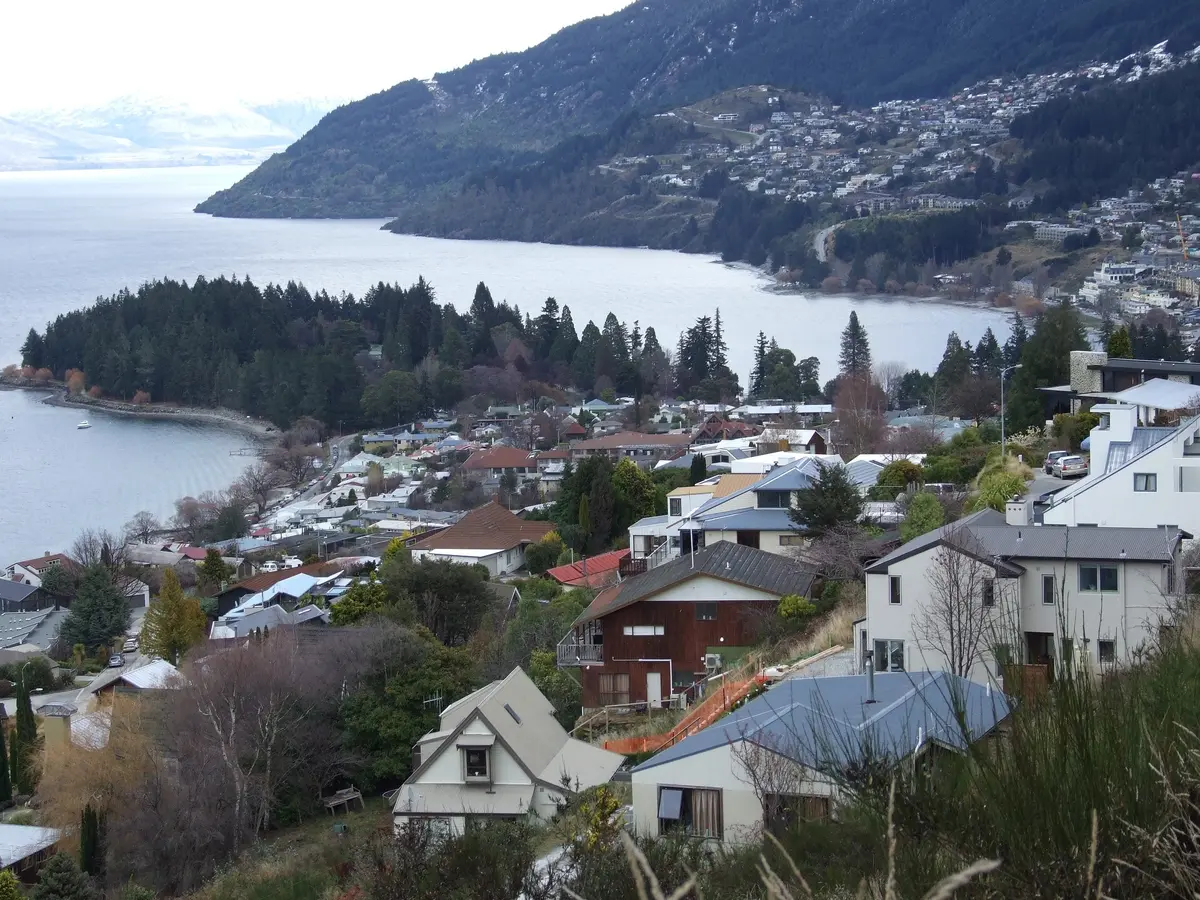
New data from Quotable Value shows a widening gap between the two islands. While the national average house price fell 0.9% to $890,508 in the three months to October, most South Island centres saw growth while all North Island urban areas recorded drops.
Key facts
4 facts
- National average house price fell 0.9% to $890,508 in the quarter ending October
- National house prices have fallen 2.2% since the start of the year
- Rotorua recorded the largest North Island price drop of 2.9%
- The South Island economy is growing twice as fast as the North Island's
The full story
1 min read · 4 outlets
New data from Quotable Value (QV) shows a growing divide between the North and South Island housing markets. While the national average house price fell 0.9% to $890,508 in the three months to the end of October, most South Island centres saw price growth. Conversely, all of the North Island's main urban areas recorded a drop in values during the quarter.
In the South Island, prices rose in most areas, with Queenstown increasing by 2.6% to $1.99m and Christchurch rising by 0.6% to $807,417. The only exceptions to this growth in the South Island were Nelson and Timaru. In the North Island, Auckland prices fell by 1.6% to $1.15m, while Rotorua saw the largest decline of 2.9% to $663,528.
QV spokesperson Simon Petersen said, "The national figure hides a pretty clear divide between the two islands". He noted that southern markets are benefiting from stronger local economic conditions and better affordability compared to the North Island. The national average house price has decreased by 2.2% since the beginning of the year.
Where reports differ
- Reports differ on the specific percentage of the annual national price decline, with one citing a 1% fall and others citing a 2.2% fall since the start of the year.
Compiled from reports by The Press, The Post, RNZ and Otago Daily Times.
How they headlined it
-
The Press
House prices are still rising across the South Island - with one exception (opens in new tab)
-
The Post
A tale of two islands: Geographic divide widens as house prices diverge (opens in new tab)
-
RNZ
South Island house prices lifting faster: QV (opens in new tab)
Also on NZ Herald (opens in new tab)
-
Otago Daily Times
Difference becoming stark as South Island house prices continue to rise (opens in new tab)
More on New Zealand property values, late 2026
- Property sales and prices fall despite rising number of listings

- Property resale losses reach highest level in 14 years+1
- New Zealand property listings reach highest October level in 12 years
- New Zealand house prices fall for seventh consecutive month
- September property data shows regional divisions and price fluctuations