Researchers call for Māori-specific strategy to eliminate tuberculosis



 Friday 9 October 2026 · 4 outlets · 2 reports · updated
In this story University of Otago, New Zealand Medical Journal
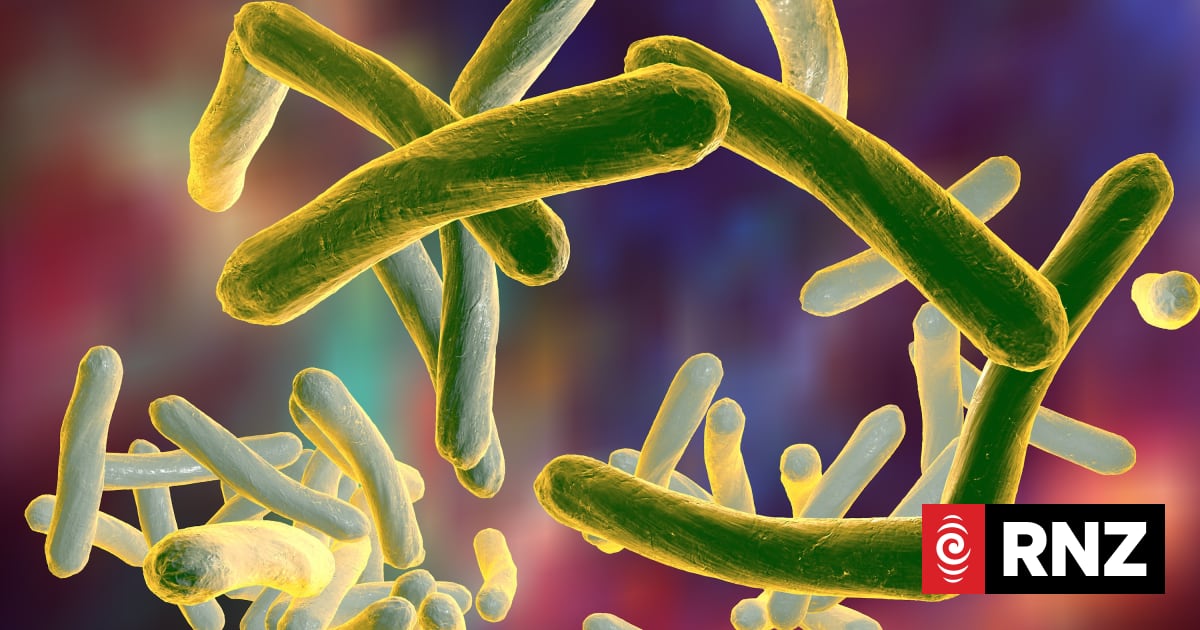
A review of tuberculosis cases in Waikato suggests New Zealand needs a Māori-specific strategy to control the disease. The study found that current approaches are failing to adequately manage the illness, highlighting gaps in contact tracing for Māori patients.
Key facts
4 facts
- TB rates for Māori are over five times higher than for NZ-born Europeans
- The study reviewed 17 Māori pulmonary TB patients in Waikato from 2018 to 2023
- Approximately 300 TB cases are recorded nationally each year
- New Zealand has signed a global strategy to end the TB epidemic by 2035
The full story
1 min read · 2 outlets
A review of tuberculosis (TB) cases in Waikato has led researchers to call for a Māori-specific elimination strategy. The study, published in the New Zealand Medical Journal, examined 17 Māori individuals diagnosed with pulmonary TB between 2018 and 2023. TB rates among Māori were found to be more than five times higher than those of New Zealand-born Europeans.
The research highlighted significant issues with current contact tracing and diagnosis methods. Of the 182 contacts identified for the 17 patients, 117 were tested for latent TB infection. Researchers noted that most identified contacts were household members, with hospital staff making up 25% of contacts. One third of identified contacts were not tested for the disease.
The study reported that one patient died before treatment began, while two others, both over 60, died during treatment. Although these two deaths were recorded as unrelated to TB, the paper noted the ratio of death was higher than overseas figures and suggested late or missed diagnosis might be a factor.
Dr Nina Scott and Professor Philip Hill suggested that achieving elimination requires addressing whānau wellbeing and ensuring culturally safe relationships. Dr Scott stated, "The way that public health teams are resourced currently is they don't actually have the capacity to trace as many of the contacts as need to be traced". The researchers recommended using community workers to engage with whānau for contact tracing and testing.
Where reports differ
- One report specifies that the 17 patients represented 12% of all Māori with the disease nationwide during that period, while the other does not mention this percentage
Compiled from reports by RNZ and The Press.